Superyachts and Sanctions: How Global Forces are Shaping the Marine Insurance Landscape

By Catherine Lumbers, Senior Underwriter, AXIS
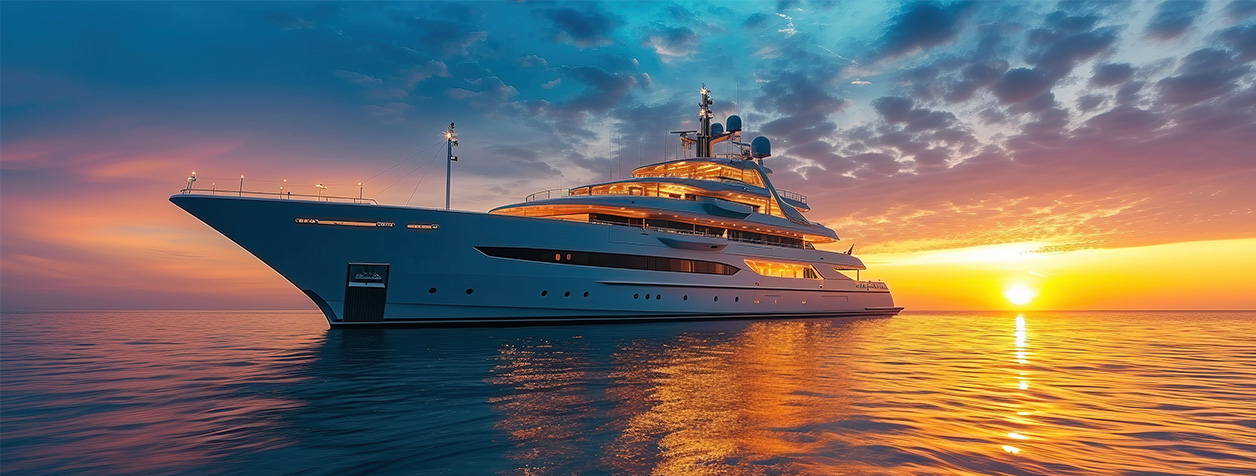
Superyachts represent the pinnacle of luxury and engineering but behind the opulence lies high financial exposure and a variety of complex risks. To insure these risks requires much more than an understanding of hull values and crew numbers.
Today’s superyacht risks are shaped by three powerful forces: increasing crew exposures, the rapid expansion in vessel size and operational scope, and a sanctions landscape that continues to shift with geopolitics. This evolving global risk environment means insurers and brokers must adapt quickly, combining underwriting discipline, regulatory compliance, and specialty expertise to develop bespoke coverages that meet the growing demand in this high-value international market.
Unique marine insurance risks

While a superyacht is defined as a privately-owned vessel, used for pleasure, of more than 24 meters in length, the insurance requirements stretch beyond the vessel itself. The crew is a significant, often underestimated, risk factor when insuring superyachts. Insurance coverage for crew varies widely from emergency-only, short-term, and low-limit policies to fully inclusive products covering all aspects of crew activity while under contract. The latter coverage extends beyond onboard risks to include vacation activities during shore leave such as skiing, hiking and world-wide leisure travel.
Having flexible and comprehensive coverages matters to their safety since crew members on superyachts are highly mobile and frequently operating in high-risk or logistically challenging environments. They are also often adventurous types who may be drawn to high-octane activities during leave. Consider the implications if a crew member suffers a catastrophic fall while their vessel is in the Suez Canal; the captain must have the resources to evacuate and hospitalize that person quickly. Similarly, a skiing accident while off duty may require an airlift or even repatriation.
For brokers and insurers, a key risk consideration is ensuring that coverage aligns with how crew members live and work. Inadequate limits, territorial restrictions or exclusions around leisure activities may leave owners exposed and insurers facing disputes.
Bigger yachts, bigger risk profiles
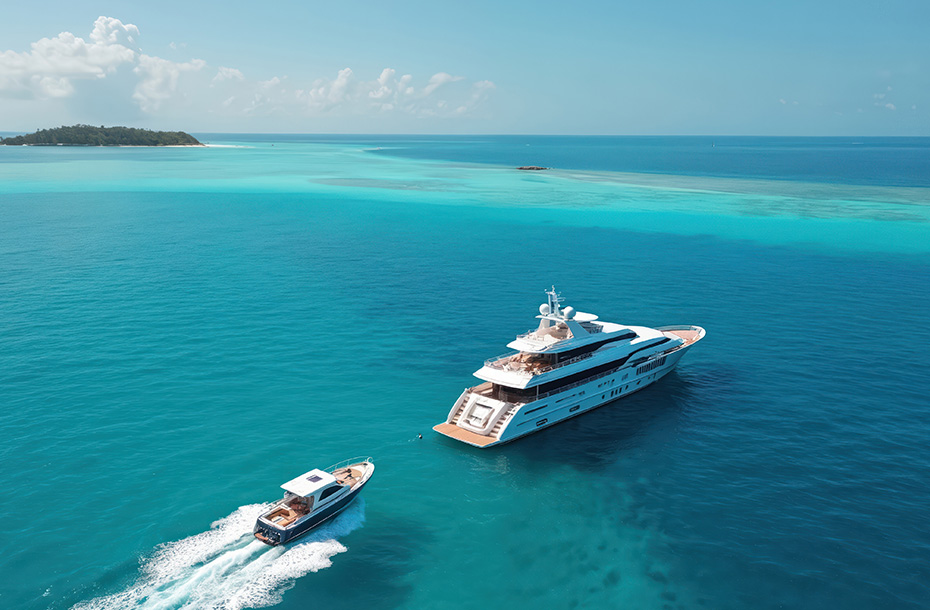
The superyacht market has been strong in recent years, growing in both volume and scale. Growth globally is projected to double from $8.62 billion today to $17.68 billion by 2033.1
Following a surge during the Covid pandemic, 317 new yachts of 30 meters and above sold in 2021 compared to 183 in 2019. The number of new sales subsequently levelled out (to 195 in 2024), remaining up on pre-pandemic numbers2 and, today, an estimated 6,000 superyachts of over 30 meters are at sea.3
Demand for larger and more luxurious yachts has also increased with 61 vessels measuring at least 76 meters under construction in 2025, up from 55 in 2024.4 And larger yachts mean significantly more crew, often operating across multiple jurisdictions with year round itineraries. A yacht of 24 to 40 meters may require six to 10 crew members; while yachts of 40-60 meters likely require 10 to 15; and 60-100 meter yachts require anything from 15 to 50.5 The largest yachts employ exponentially more staff, making significant differences to overall risk and premium, and presenting specialized insurers with opportunities for growth in the personal accident insurance market.
With over a thousand superyachts currently under construction or on order globally,6 insurers and brokers alike must consider how today’s placement decisions will perform over multi year periods, particularly as vessels change cruising patterns, crew, and management structures.
Geography of superyachts and sanctions risk

Superyachts are among the most complex assets to insure from a compliance perspective. Ownership is often layered through companies, partnerships, or trusts in jurisdictions such as the Marshall Islands, Grand Cayman, British Virgin Islands, Guernsey, the Isle of Man, or Monaco. Non-disclosure agreements frequently protect the identity of the ultimate beneficial owner.
This complexity became more acute following sanctions imposed against Russia in February 2022 targeting key revenue sources and specific individuals.7 While exact figures are difficult to verify, approximately 8% of the superyacht fleet was linked to Russian owners while Russian citizens owned approximately 29% of all superyachts over 90 meters in length.8 These measures have had wide-ranging operational impacts, including effects on crewing with an estimated 11% of all superyacht crew worldwide working on Russian owned vessels.9
For insurers and brokers, sanctions risk is not static. A yacht that is compliant at inception may become uninsurable overnight if an owner, associated entity, or beneficiary is then sanctioned.
Importance of sanctions awareness in insurance

While the ownership of a superyacht may be complicated, the crew’s employer is not always as complex. This is because insurance is provided through ship managers and agencies, many of which are based in the UK, Mediterranean, or Caribbean.
The emergence of the “shadow fleet”—vessels operating outside traditional compliance frameworks and seeking coverage from jurisdictions willing to underwrite higher risk activities—has coincided with situations where mainstream insurers have not provided cover due to sanctions and compliance concerns. While these vessels are predominantly cargo tankers rather than superyachts, their use of opaque ownership structures, automatic identification system manipulation, and other evasive practices, highlights the importance for insurers and brokers to remain alert to sanctions-related compliance risks.
Outlook for the superyacht insurance market
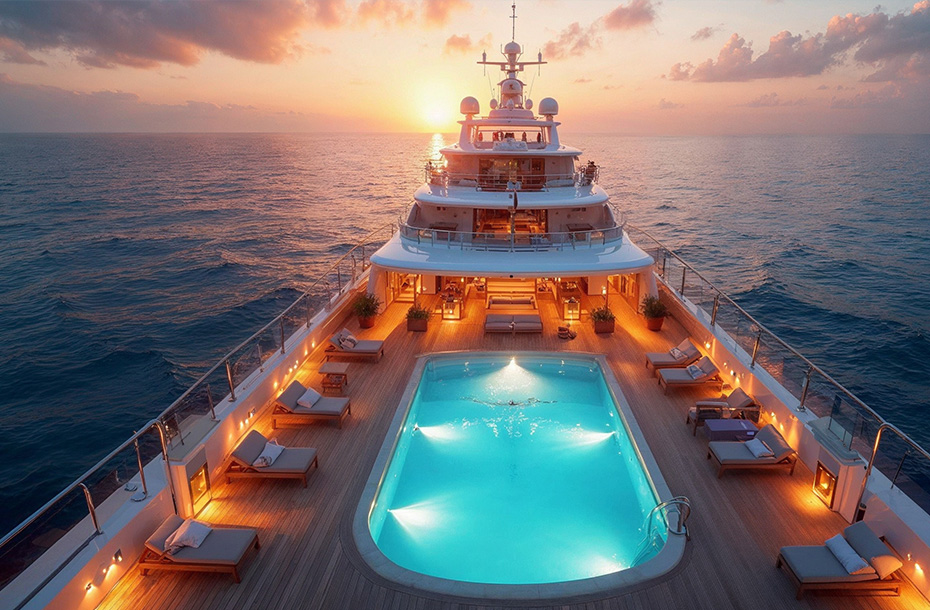
The outlook for the superyacht market remains buoyant but by no means straightforward. As demand for larger, more luxurious superyachts continues to grow,10 crew activities, vessel expansion, and geopolitical uncertainty have combined to create an environment that requires expertise, vigilance, and flexibility to respond to the market’s shifting tides.
Insurers that understand their clients, with agile due diligence processes, and efficient, responsive claims handling, are well positioned to protect insureds and their own businesses within this dynamic and expanding market.
1https://www.deanandwaters.com/superyacht-trends-to-watch-in-2025/
2 https://www.superyachttimes.com/yacht-news/what-is-the-state-of-yachting-2025-market-report
4 https://travellingforbusiness.co.uk/features/superyacht-trend-growth/
7 https://commonslibrary.parliament.uk/research-briefings/cbp-9481/
8 https://www.superyachtnews.com/business/the-numbers-behind-russian-owned-superyachts
9 https://www.superyachtnews.com/business/the-numbers-behind-russian-owned-superyachts
10 https://www.bbc.com/news/articles/cvgnwx0lwwdo
This material is for general information, education and discussion purposes only. Statements contained herein are not professional or legal advice of AXIS or its affiliates. AXIS makes no representations as to the accuracy or completeness of the information contained herein and is under no obligation to update or revise the information as a result of new information, research or future events. AXIS assumes no liability by reason of the information within this material.